
Patient education
Kidney Stones
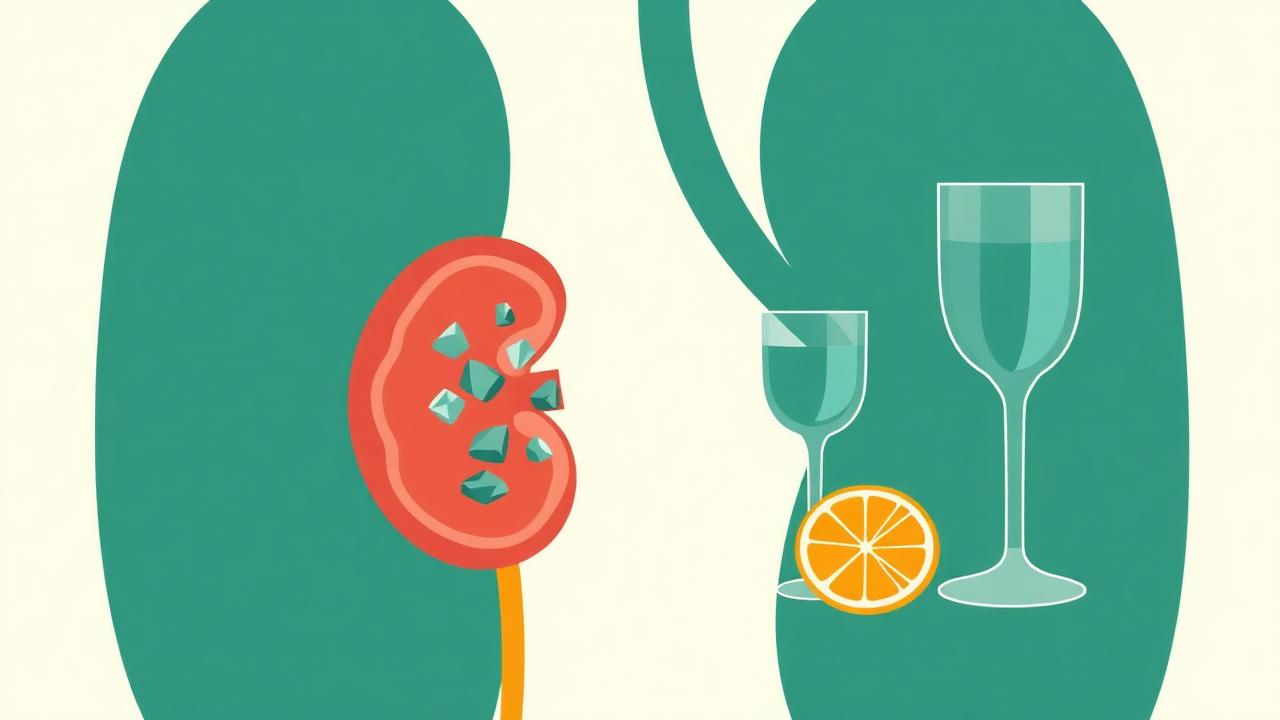
Kidney stones are hard deposits of minerals and salts that form inside the kidney. They are common, often very painful — and, importantly, largely preventable once the reason they formed is understood.
The basics
Why do stones form?
Stones form when urine becomes concentrated, allowing minerals to crystallise and stick together. Several everyday factors make that more likely.
Not drinking enough fluid through the day
A diet high in salt or oxalate-rich foods
Very high animal protein intake
Hot climate, sweating and fluid loss
Obesity, diabetes or metabolic conditions
Family history or a previous stone
Recognising it
What does a stone feel like?
Small stones can pass unnoticed. Larger stones that block the flow of urine typically cause sudden, severe pain in the side or lower back that may travel to the groin.
Pain with fever and chills is a medical emergency — an infected, blocked kidney needs urgent treatment.
Common symptoms
- Severe pain in the side, back or lower abdomen
- Pain that comes in waves
- Blood in the urine
- Nausea and vomiting
- Burning while passing urine
- Frequent, urgent need to pass urine
- Fever or chills (urgent)
Diagnosis
How are stones assessed?
Imaging
An ultrasound or a low-dose CT scan shows the size, number and exact position of stones, and whether urine flow is blocked.
Urine tests
Urine is checked for infection, blood and crystals. A 24-hour urine collection may be advised for recurrent stones.
Blood & stone analysis
Kidney function, calcium and uric acid are checked. If you pass a stone, analysing it identifies the type and guides prevention.
How are stones treated?
Treatment depends on the size, position and type of stone, and whether it is blocking the kidney.
Prevention
Lowering the chance of another stone
Around half of people who form one stone will form another within a decade. These steps meaningfully reduce that risk.
- 01
Drink enough fluid
Aim for pale, straw-coloured urine through the day. Most stone formers are advised 2.5–3 litres daily, unless your doctor has restricted your fluids for a heart or kidney reason.
- 02
Cut back on salt
High salt increases the calcium your kidneys excrete into urine. Limit pickles, papad, chips, packaged snacks and added table salt.
- 03
Keep normal dietary calcium
Do not cut out milk and dairy. Reducing dietary calcium usually increases stone risk. Calcium supplements, however, should only be taken on advice.
- 04
Moderate animal protein
Large amounts of red meat, organ meat and shellfish raise uric acid and lower urinary citrate, both of which encourage stones.
- 05
Add citrate
Lemon, lime and other citrus contain citrate, which naturally inhibits stone formation. Your doctor may also prescribe potassium citrate.
- 06
Maintain a healthy weight
Obesity, diabetes and metabolic syndrome all raise stone risk. Regular activity and weight control help.
If you have had more than one stone, ask about a metabolic evaluation — knowing your stone type makes prevention far more precise.
When should you seek medical help?
See your doctor if you have
- Severe or worsening flank pain
- Visible blood in the urine
- Persistent nausea or vomiting
- Burning or difficulty passing urine
- A known stone that has not passed
Go to hospital immediately for
Pain with fever or chills, a sudden drop in urine output, or if you have only one working kidney and develop stone pain.
The most important message
Stones are painful but manageable. Finding out why yours formed is what stops the next one.
Talk to your doctor about a personalised prevention plan.
If you are concerned about your kidney health, speak with a qualified healthcare professional. This information is for patient education and does not replace individual medical advice.