
Patient education
Glomerular Diseases
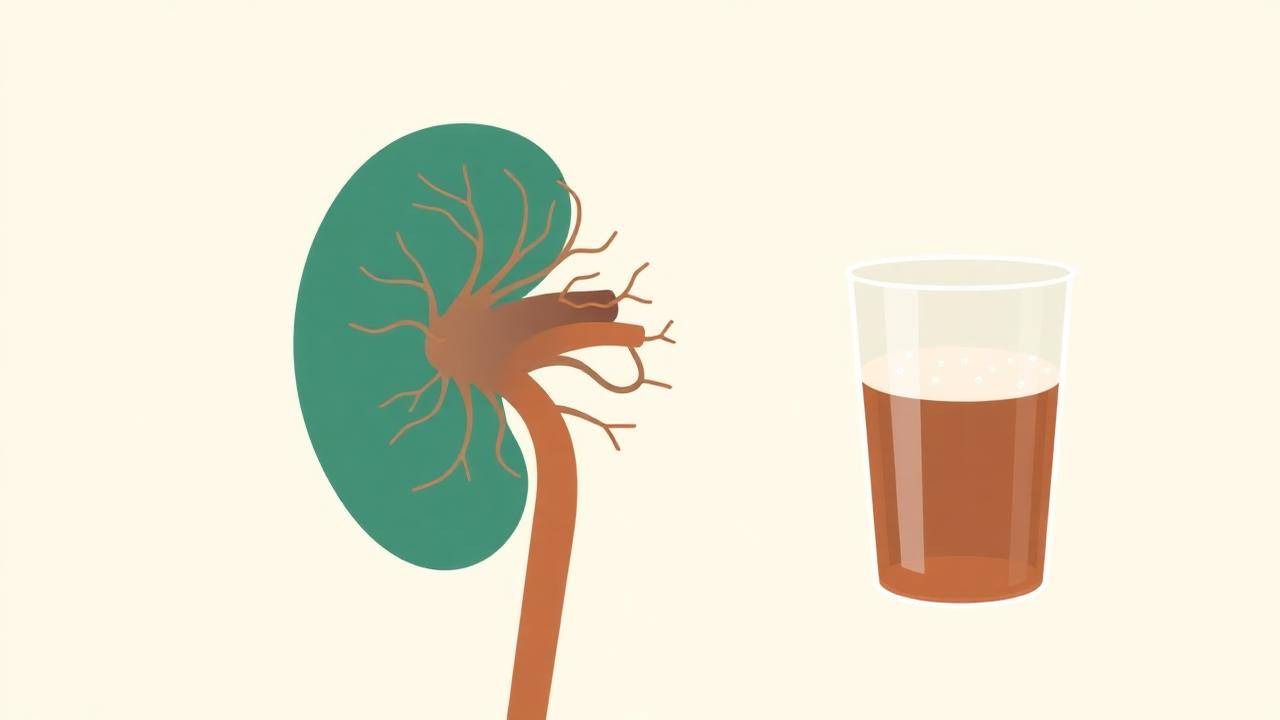
Each kidney holds about a million microscopic filters called glomeruli. When these filters become inflamed or damaged, protein and blood leak into the urine. Many of these conditions are treatable — but they need to be identified accurately and early.
The basics
What goes wrong?
A healthy glomerulus lets waste and water pass into urine while holding back blood cells and protein. Glomerular disease breaks that selectivity.
The filter barrier becomes leaky
Protein escapes into the urine
Red blood cells may leak too
Swelling develops as protein is lost
Blood pressure often rises
Filtering capacity can fall over time
Recognising it
The signals to notice
Glomerular disease often announces itself through the urine or through swelling, long before you feel generally unwell.
Foamy or frothy urine that persists, or urine that looks like cola or tea, is always worth getting checked — even once.
Possible signs
- Foamy or frothy urine
- Cola-coloured or red urine
- Puffiness around the eyes in the morning
- Swelling of legs, ankles or abdomen
- New or worsening high blood pressure
- Unexplained tiredness
- Reduced urine output
What can cause it?
Some glomerular diseases arise in the kidney alone; others are part of a body-wide condition. Identifying which is essential for treatment.
Diagnosis
How it is investigated
Urine testing
Urine microscopy and a protein-to-creatinine or albumin-to-creatinine ratio quantify how much protein is leaking and whether red cells are present.
Blood tests
Kidney function, albumin, cholesterol and a panel of immune and infection tests help narrow down the underlying cause.
Kidney biopsy
A small tissue sample examined under the microscope usually provides the definitive diagnosis and directs which treatment is appropriate.
Treatment
How glomerular disease is managed
Treatment has two arms: protecting the kidney generally, and targeting the specific disease when a specific therapy exists.
- 01
Control blood pressure
Tight blood pressure control slows damage in every type of glomerular disease. Home readings help your doctor fine-tune treatment.
- 02
Reduce protein leak
ACE inhibitors or ARBs lower the amount of protein escaping into urine, which directly protects long-term kidney function.
- 03
Lower dietary salt
Salt restriction improves both blood pressure control and swelling, and makes the medicines above work considerably better.
- 04
Immune treatment, when indicated
Some conditions need steroids or other immune-modifying medicines. These are powerful drugs, prescribed only when the biopsy diagnosis justifies them.
- 05
Manage swelling
Diuretics and fluid or salt limits relieve oedema. Weighing yourself at home is a simple, reliable way to track fluid.
- 06
Protect the heart
Cholesterol control and, in heavy protein loss, sometimes clot prevention are part of complete care.
Many glomerular diseases relapse. Regular urine checks after treatment catch a relapse early, when it is easiest to manage.
When should you seek medical help?
See a doctor promptly for
- Visible blood in the urine
- Persistent frothy urine
- New facial or leg swelling
- A sudden rise in blood pressure
- Rapid weight gain from fluid
Seek urgent medical attention for
Severe breathlessness, chest pain, a sharp drop in urine output, or swelling with rapidly worsening symptoms.
The most important message
Protein or blood in the urine is a signal worth acting on. An accurate diagnosis — often from a biopsy — is what makes effective treatment possible.
Ask your nephrologist about these four.
If you are concerned about your kidney health, speak with a qualified healthcare professional. This information is for patient education and does not replace individual medical advice.