
Patient education
Diabetes, Blood Pressure & Your Kidneys
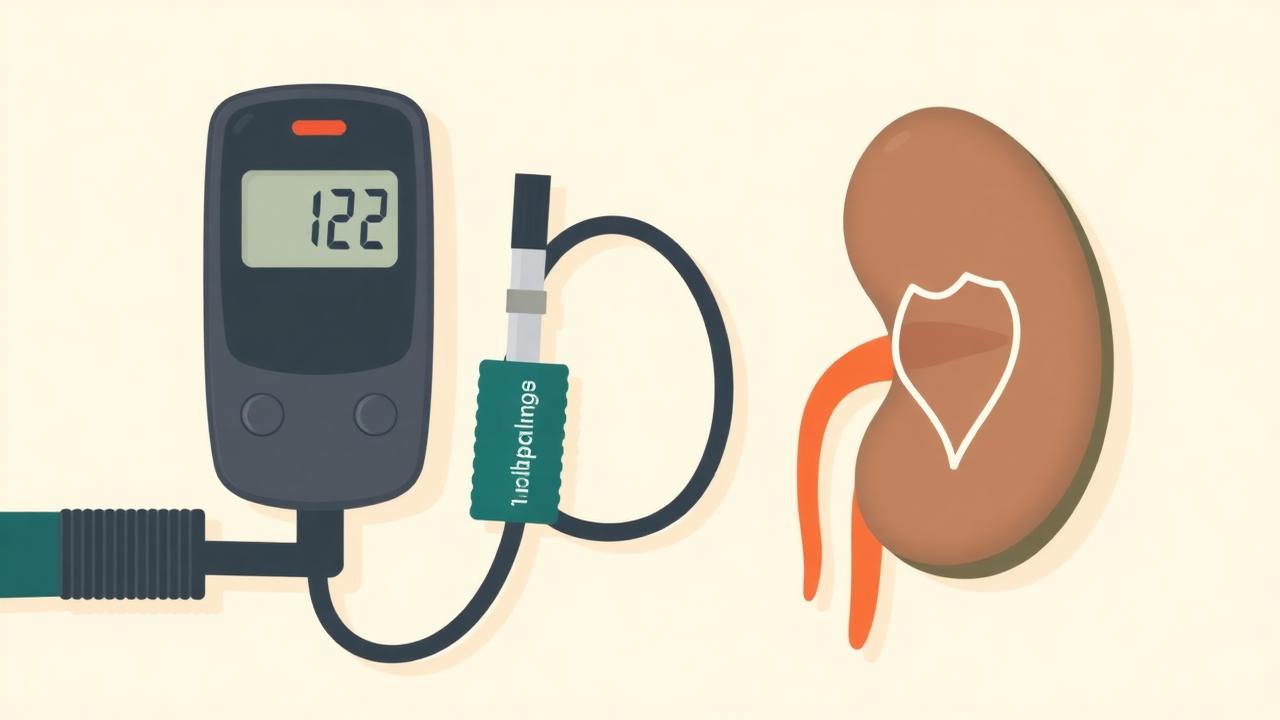
Diabetes and high blood pressure together cause most kidney disease worldwide. Both damage the kidneys silently, over years, without any symptoms — which is exactly why regular, simple checks are so valuable.
The mechanism
How does the damage happen?
Each kidney contains around a million tiny filters supplied by very small blood vessels. High sugar and high pressure both injure those vessels.
High sugar stiffens and scars small vessels
High pressure strains the filters directly
Filters begin to leak protein into urine
Scarring gradually reduces filtering capacity
Damaged kidneys raise blood pressure further
The same process also affects heart and eyes
The silent part
You will usually feel nothing
Kidney damage from diabetes or hypertension causes no pain and no symptoms until a large amount of function is already lost. Testing is the only way to find it early.
If you have diabetes or high blood pressure, ask for a kidney check at least once a year — a blood test and a urine test are all it takes.
Who should be checked yearly
- Anyone with type 1 or type 2 diabetes
- Anyone with high blood pressure
- Family history of kidney disease
- Age over 60
- Heart disease or heart failure
- Obesity or metabolic syndrome
- Long-term painkiller use
The checks
Three numbers worth knowing
eGFR
Calculated from your blood creatinine. It estimates how well your kidneys filter. A falling eGFR over time is more informative than any single value.
UACR
The urine albumin-to-creatinine ratio detects small amounts of protein leaking into urine — often the very earliest sign of kidney damage.
Blood pressure
Measured at home as well as in clinic. Consistent control protects the kidneys, heart and brain at the same time.
Targets to discuss with your doctor
Targets are individual — age, other conditions and treatment side effects all matter. These are common starting points for a conversation.
Protection
What actually protects your kidneys
These are the changes with the strongest evidence behind them. They work best together and consistently over time.
- 01
Get blood pressure to target
This is the single most effective way to slow kidney damage. Take medicines regularly and monitor at home if advised — do not stop them because you feel fine.
- 02
Keep blood sugar steady
Steady control protects the small vessels in your kidneys, eyes and nerves. Some modern diabetes medicines also protect the kidneys directly.
- 03
Use kidney-protective medicines
ACE inhibitors, ARBs and certain newer agents can reduce protein leak and slow progression. Your nephrologist will judge what suits your kidney function.
- 04
Reduce salt
Lowering salt improves blood pressure control and reduces protein in the urine. Limit packaged foods, pickles and added table salt.
- 05
Eat a balanced diet
There is no one kidney diet. Focus on whole foods, adequate but not excessive protein, and avoid unnecessary restrictions unless advised.
- 06
Move regularly
Consistent activity improves blood pressure, sugar control and weight — the three levers that matter most here.
- 07
Stop smoking
Smoking accelerates both kidney damage and cardiovascular disease. Quitting produces measurable benefit at any age.
Avoid regular over-the-counter painkillers such as ibuprofen and diclofenac unless your doctor has specifically advised them.
Follow-up
What your annual review should cover
Bring your home blood pressure readings and your medicine list to every appointment.
When should you seek medical help?
Contact your doctor if you notice
- New swelling of legs, ankles or face
- Foamy or frothy urine
- Blood pressure consistently above your target
- A significant change in urine output
- Unusual tiredness or breathlessness
Seek urgent medical attention for
Severe breathlessness, chest pain, very high blood pressure with headache or visual change, or confusion.
The most important message
Kidney damage from diabetes and hypertension is largely preventable — but only if it is looked for before symptoms appear.
Ask for these four at your next review — every year, without fail.
This page is general patient education. Medicine choices and targets must be individualised by your treating doctor. If you are concerned about your kidney health, speak with a qualified healthcare professional.