Patient education
Chronic Kidney Disease (CKD)
Know it. Detect it early. Protect your kidneys. CKD means your kidneys are dysfunctional — structurally or functionally — for 3 months or longer. Finding it early gives you the best chance to slow its progression and protect your heart and kidneys.
The basics
What do your kidneys do?
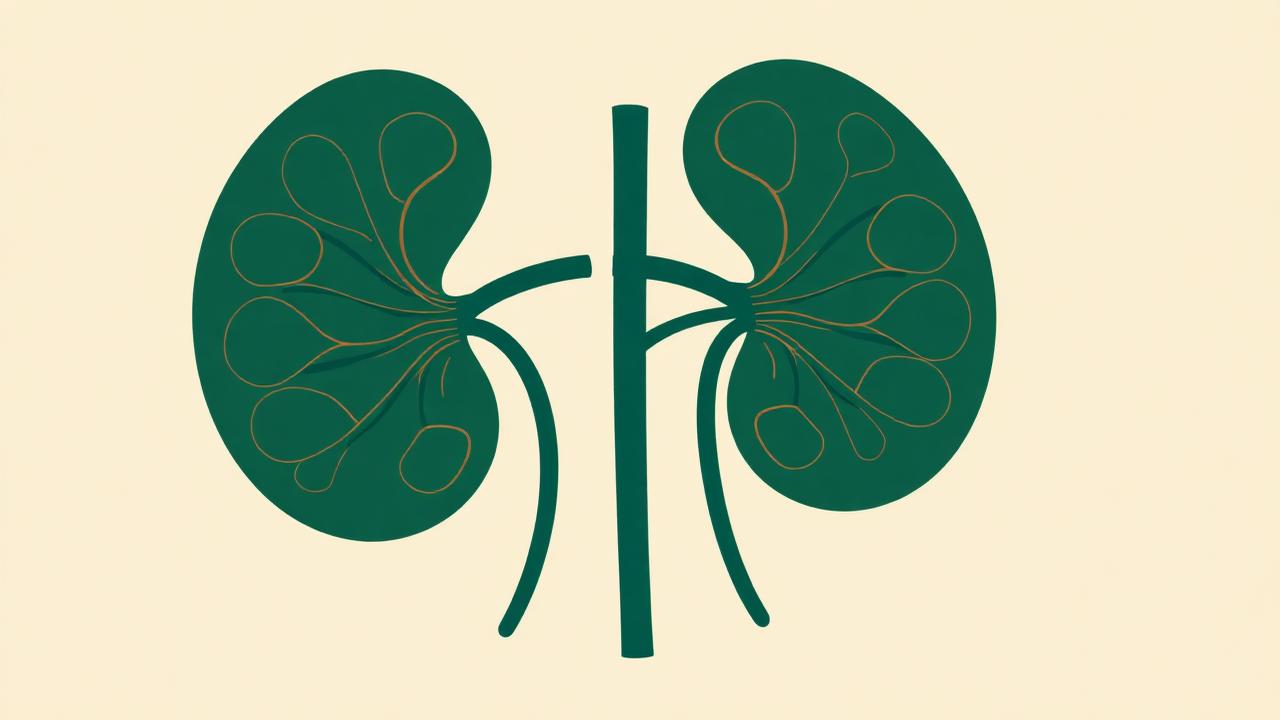
Your kidneys work continuously to keep your body in balance — think of them as your body's natural filtration and balancing system.
Remove waste from your blood
Remove extra fluid and make urine
Help control blood pressure
Make hormones that help produce red blood cells
Keep bones healthy
Maintain the right balance of salts and minerals
What can cause CKD?
CKD can have many causes — and sometimes the exact cause may not be identified. The most common ones:
The silent part
CKD may have NO symptoms
This is one of the most important things to know about kidney disease: you can have CKD and feel completely well. Symptoms often appear only when kidney disease becomes more advanced.
Don't wait for symptoms to get your kidneys checked — especially if you have diabetes, high blood pressure, a family history of kidney disease, or other risk factors.
Possible symptoms, when they appear
- Swelling of the feet, ankles or face
- Changes in urine
- Tiredness or weakness
- Nausea or poor appetite
- Muscle cramps
- Itching
- Breathlessness
Diagnosis
How are your kidneys checked?
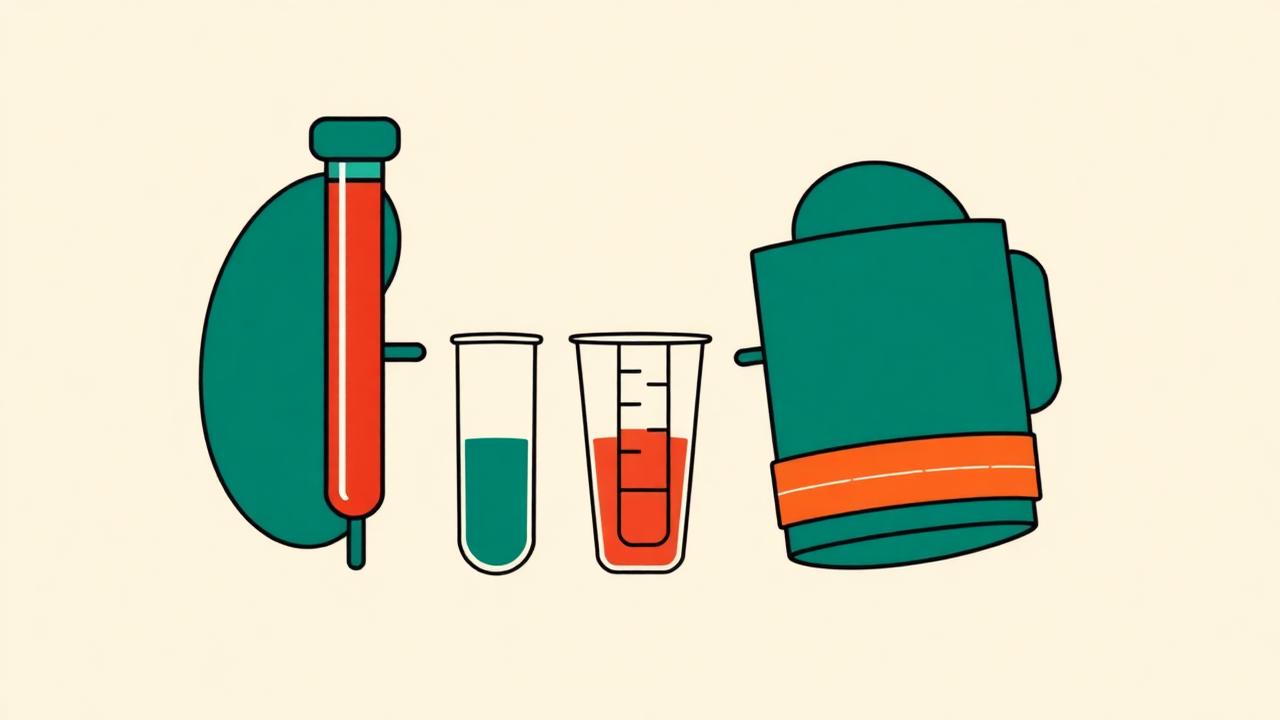
Kidney health is usually assessed with a combination of blood tests, urine tests and blood pressure measurement.
Blood test · Creatinine → eGFR
Creatinine is a waste product measured in your blood. Your doctor uses it to calculate your eGFR — an estimate of how well your kidneys are filtering your blood.
Urine test · UACR
The urine albumin-to-creatinine ratio checks whether albumin (a protein) is leaking into your urine. Higher urine albumin can indicate kidney damage and raises the risk of progression.
Other tests
Depending on your situation: blood pressure measurement, kidney ultrasound, electrolytes, additional urine tests, or tests to identify the cause. Your doctor will decide which are appropriate for you.
Prevention & care
7 ways to protect your kidneys
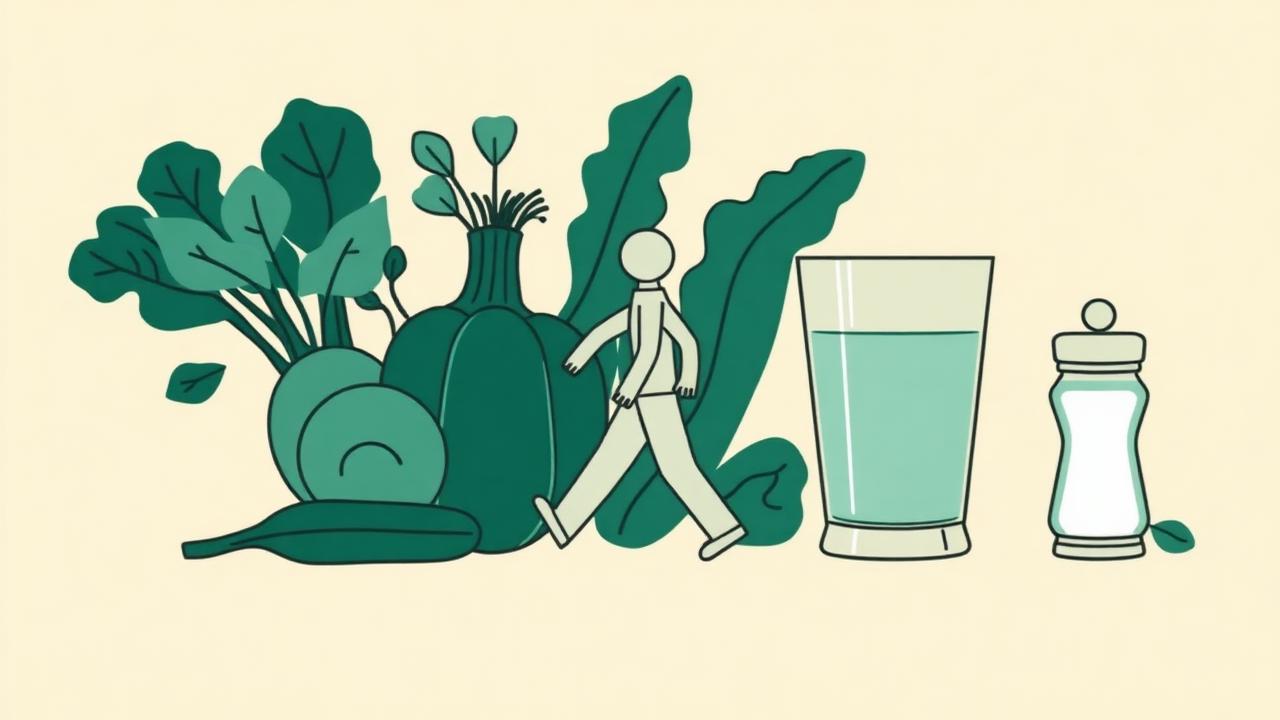
Small, consistent habits make a real difference. Work through these with your doctor.
- 01
Control your blood pressure
High blood pressure can damage the kidneys and accelerate CKD. Take prescribed medicines regularly, check your BP as advised, and discuss your BP target with your doctor. Good BP control protects both your kidneys and heart.
- 02
Control diabetes
High blood sugar can damage the small blood vessels in the kidneys. Good diabetes control can help protect your kidneys, heart and blood vessels.
- 03
Cut down on salt
Too much salt can increase blood pressure and fluid retention. Try to limit excess table salt, pickles, papad, chips and highly processed or packaged foods. Taste your food before adding extra salt.
- 04
Eat smart
There is no single kidney diet that is right for everyone. Choose a balanced, nutritious diet based on your kidney function and other health conditions. Do not unnecessarily restrict potassium, protein, phosphorus or other foods unless advised by your doctor or dietitian.
- 05
Use medicines safely
Some medicines can harm the kidneys, particularly when used regularly. Avoid regular use of painkillers such as ibuprofen, diclofenac or naproxen unless your doctor has advised them. Always tell your doctor about all prescription medicines, over-the-counter medicines and supplements you use.
- 06
Stay active & maintain a healthy weight
Regular physical activity can help improve heart health, blood pressure, blood sugar control, body weight and overall kidney health. Choose activities that are appropriate for your age and health.
- 07
Don't smoke
Smoking increases cardiovascular and kidney-related risks. If you smoke, quitting is one of the best things you can do for your overall health.
And remember: drink fluids according to your doctor's advice. More water is not always better, particularly in some kidney and heart conditions.
Don't miss your follow-up
CKD can change over time, so regular monitoring is important. Your doctor may also assess your risk of kidney failure and adjust treatment accordingly.
Early detection + regular follow-up = better kidney protection
Common worry
Does CKD mean dialysis?
No. Having CKD does NOT automatically mean you will need dialysis — many people with CKD never require it. Early diagnosis and appropriate treatment can slow kidney disease and reduce the risk of kidney failure.
Dialysis is NOT inevitable.
Your individual risk depends on
- Your kidney function (eGFR)
- Amount of albumin in your urine
- Cause of CKD
- Blood pressure
- Diabetes control
- How quickly kidney function is changing
- Other health conditions
When should you seek medical help?
Contact your doctor if you develop
- Blood in your urine
- New or rapidly increasing swelling
- A sudden reduction in urine
- Significant breathlessness
- Persistent vomiting
- Very high or uncontrolled blood pressure
Seek urgent medical attention for
Severe breathlessness, chest pain, confusion, or a major reduction in urine output.
The most important message
CKD is often manageable. Find it early. Treat the cause. Protect your kidneys — and don't panic: dialysis is not inevitable.
Talk to your doctor about these four numbers.
Useful topics on this website
If you are concerned about your kidney health, speak with a qualified healthcare professional. This information is for patient education and does not replace individual medical advice.